









_Nick_Fancher_Photos_ID4515%20(1).jpg)
What Is Your Body Asking For?
There is no universal sensory-friendly home. By honouring diversity within neurodivergence, there is only a sensory-friendly home for you and the first step isn't choosing a product. It's learning to hear what the body has been quietly asking for all along.
Your Sensory Needs Are Not Random
Most of us were never taught to listen to our nervous systems. We were taught to push through, to adapt, to tone it down. If harsh lighting was unbearable, crowded classrooms intolerable, or certain textures impossible to ignore, we’re generically taught to manage that in silence, not to hold space and have patience understanding it.
These responses aren’t always oversensitivity. In the words of physician and author Dr Gabor Maté, this is adaptive intelligence: the nervous system doing exactly what it was designed to do which is to protect, calibrate, and help you respond.
"Trauma is not what happens to you, but what happens inside you as a result." - Gabor Maté (The Myth of Normal)

Maté's work centres on a radical idea: that what we label as traits, disorders, or differences are often the body's brilliant attempts to cope with environments that weren't quite right for it.
Sensitivity, hypervigilance, the need for movement or pressure or specific textures are not flaws to be corrected. They are signals worth decoding to be inspired by.
A note worth making here: neurodivergence (ADHD, autism,sensory processing differences) is neurological. It is not always caused by trauma or environment with research still evolving to uncover the exact context. What Maté's lens offers is not an explanation of origin, but a language for the experience of navigating a world not always built for how your nervous system works.
This is where the work of Carl Jung & Carol Pearson enter the picture. Jung mapped the human psyche onto 12 universal archetypes as recurring patterns of identity that appear across cultures and throughout history. Carol Pearson adapted Carl Jung's psychological concepts into apractical 12-archetype system for personal growth, organizational development, and branding. She popularized these archetypes as a framework for the "hero's journey", mapping them to stages of human development, storytelling, and personality assessment tools.
At Kosi Atelier, we've layered these frameworks togetherinto a design philosophy: a way of understanding not just who you are, but what your nervous system might need from the world around it.
The Archetype Is the Language. The Body Is the Messenger.
What we've found in occupational therapy research, in environmental psychology, and in the lived experience of the neurodivergent this brand was inspired by, is that sensory preference isn't random. It follows patterns. Those patterns align, often strikingly, with how we process emotion, seek stimulation, and relate to the world.
We don’t want you to be defined by one archetype alone. Your archetype is not a box. It's a starting point: a familiar design map for something your body already knows. And sometimes, what you can shift. Healing changes things. Seasons change things. A particularly hard month changes things. The Maté lens asks us to hold sensory needs not as fixed identity, but as living information.
Below, we've mapped all twelve of our archetypes to the nervous system language that tends to run through them. We don’t want to offer the typical personality quizzes, just more information to help you listen to your own body for yourself, others, and our design reasoning for these archetypes.
All 12 Archetypes: What Your Body Is Asking For
01. The Dreamer — (The Innocent)
The Dreamer's nervous system may often find the world overwhelming: too loud, too fast, too sharp at the edges. The response can be inward: a rich interior life, a preference for softness, a need for environments that feel held rather than exposed. Celestial, softly lit, unhurried. There is a reason Dreamers are often drawn to the threshold between sleep and waking.
What the body is asking for: gentle containment.Textures that invite slow, deliberate touch rather than demanding tolerance. Colours that don't fight for attention. A space that feels like permission to exhale; not to perform comfort, but to genuinely arrive.
Sensory environment: Large, low-to-the-ground seating in soft, matte fabric. Weighted floor cushions for grounding. Warm, diffused lighting. Dusty lilac, blush pink, slate blue, warm cream. A sensory corner with defined edges; a protected space within the larger room.
_Madeline_Spanier_Photos_ID5263%20(1).jpg)
02. The Classics — (The Authentic)
The Classics archetype values honesty of material and simplicity of form as a nervous system preference. Visual excess can begenuinely fatiguing. The Classics person may have developed a finely tuned intolerance for anything that feels performative or unnecessary. Just realness upon realness.
What the body is asking for: order without coldness. Clean lines that create predictability. Tactile surfaces that are honest: concrete, linen, natural wood. An environment where nothing is competing forattention, so the mind can finally rest.
Sensory environment: Structured seating with clear,confident edges. Natural, honest materials: raw linen, unbleached cotton, matteleather. Monochrome or tonal palette: charcoal, warm white, natural stone. Nothing too decorative for its own sake, and enough space to observe thenatural world around them.

03. The Valiant — (The Warrior)
The Valiant's nervous system may often carry a tendency tobrace: to hold, to carry, to stay upright under pressure. Whether through temperament or circumstance, this can be a body that knows how to endure. That strength is real, and it also has a cost that few people ever witness.
What the body is asking for: something that finally meets its weight. Deep pressure. Grounding. The physical experience of being held rather than having to always hold everything else. Rest that doesn't require performance. Not softness: substance.
Sensory environment: Weighted products and dense, substantial seating. Fabrics with resistance: that push back gently. Deep pressure floor cushions or crash pads. Charcoal, deep navy, warm black, oxblood. Nothing flimsy; nothing that collapses under real weight.
.jpg)
04. The Maverick — (The Outlaw)
The Maverick's nervous system may often find that conventional environments simply don't work: classrooms, open-plan offices,standard social scripts. The response can be to reject the frame entirely. Allergic to rules that don't serve them, and brave enough to say so. This is not what we may sometimes outwardly recognise as rebellion; it’s a nervous system that often finds the existing containers too tight.
What the body is asking for: a space that doesn't impose. Unconventional layout, unexpected texture, an environment that breaks the usual visual logic. The Maverick tends to regulate through contrast: something sharp next to something soft. Electric next to organic.
Sensory environment: Bold, non-traditional colourcombinations. Mixed textures: rough and smooth in deliberate tension. Seating that defies conventional placement. Electric blue, acid yellow, matte black. Anenvironment that feels chosen, not inherited.
05. The Wanderer — (The Explorer)
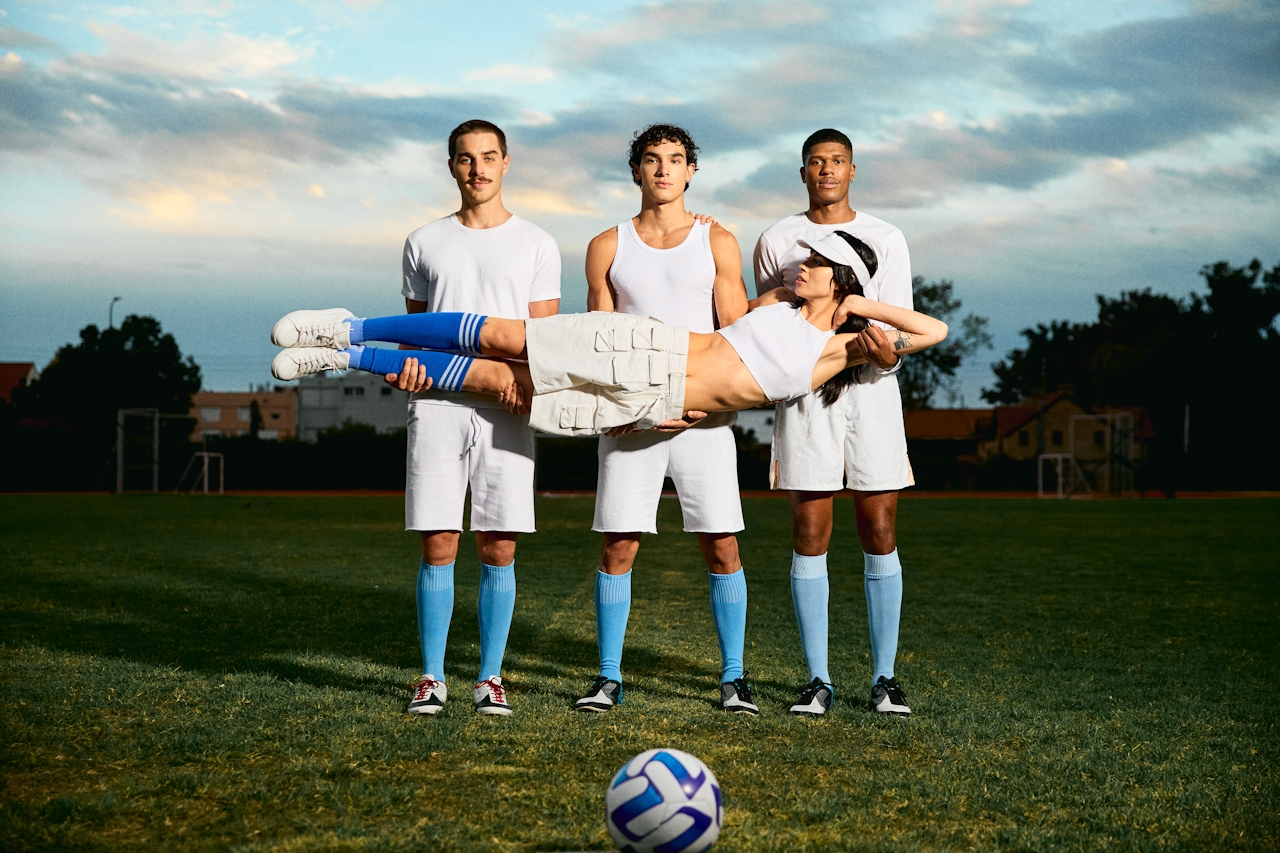
The Wanderer oscillates. Their nervous system moves between high stimulation anddeep retreat; often within the same afternoon. They are not inconsistent; they are responsive. Always mid-journey, drawn to new places, new people, new versions of themselves. Their system tends to require range, not a fixed point.
What the body is asking for: a space that can meet them wherever they arrive. Something that absorbs impact whenenergy is high. Something that holds weight and warmth when energy drops. The capacity to shift without having to leave the room entirely.
Sensory environment: Dense foam seating with real structural depth. Bold, grounding colour with earthy undertones. Layered texture: something rough alongside something soft. A safety-certified crash mat that genuinely takes impact. Terracotta, forest green, deep rust, warm amber.
.jpg)
06. The Creative — (The Creator)
The Creative builds, makes, invents. Constantly. Their nervous system often regulates through doing. Seventeen unfinished projects and three genuinely brilliant ones. The Creative may experience dysregulation not from overstimulation but from enforced stillness: the body often needs to be in motion, in process, in the act of making something.
What the body is asking for: an environment that accommodates movement. Seating that doesn't demand stillness. Tactile variety: different textures to fidget with, to press, to engage unconsciously while the mind works. An environment that functions as a creativepartner.
Sensory environment: Flexible, repositionable seating. Mixed tactile surfaces: something to press or knead within reach. Colour that energises without overwhelming: RGB primaries,botanical green, warm terracotta. A space that looks lived-in and working, not curated for a photograph.
07. The Enigma — (The Commander)
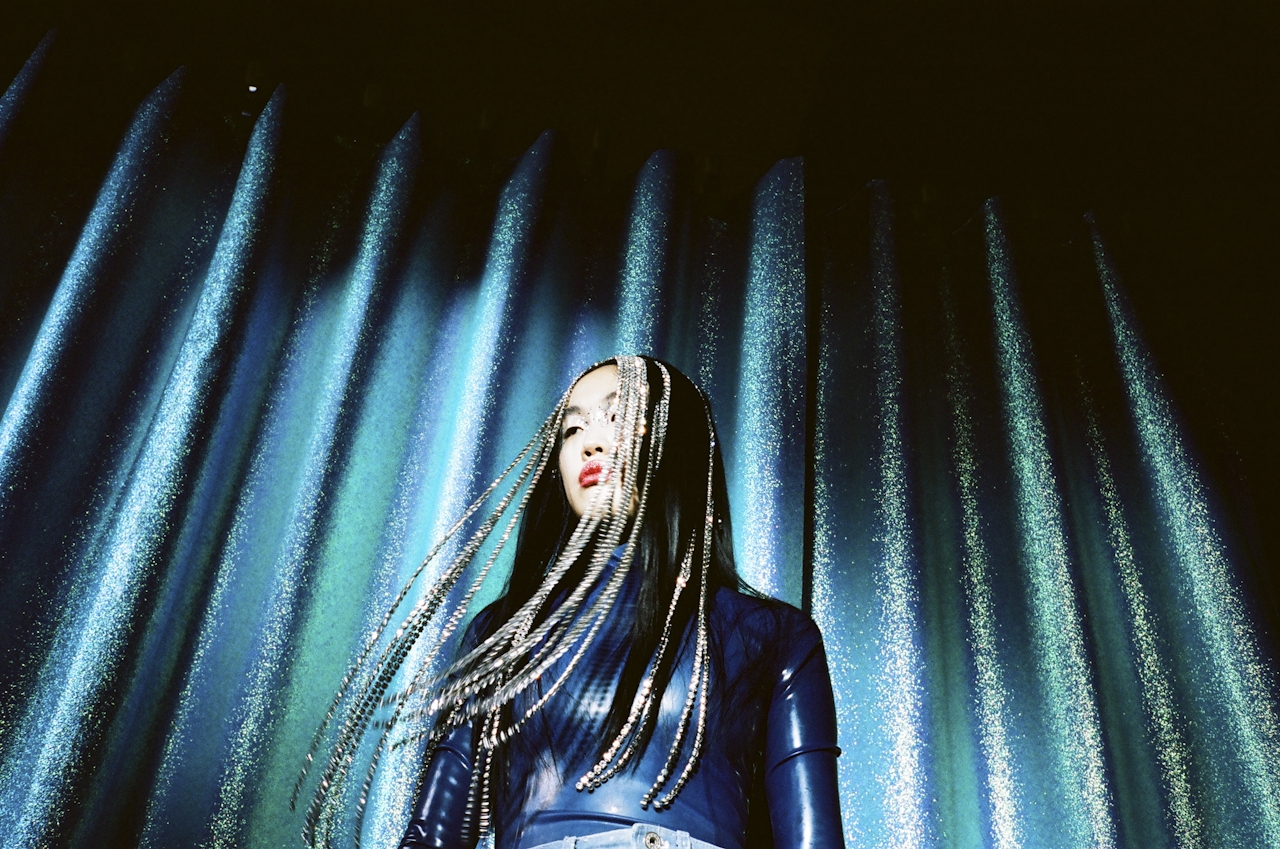
The Enigma is intensely interior. Their inner world is vast and complex: often misunderstood by others, precisely because it operates at a depth most people don't reach. The Enigma's nervous system may be highly sensitive to external input: sound, social demand, environmental chaos. They often walk into a room knowing exactly what they're building, and they need a space that matches that precision.
What the body is asking for: a sensory environment that reduces rather than adds. Weighted, grounded, quiet. A space that contains rather than stimulates. The Enigma doesn't want their environment to speak louder than their own thoughts.
Sensory environment: Floor cushions that create stillness and defined personal space. Weighted options for proprioceptive grounding. A deeply tonal palette: gold, royalpurple, museum black, deep charcoal. Minimal visual noise. Nothing decorative that hasn't earned its place.

08. The Nomad — (The Mystic)
The Nomad sees what others miss: tuned into energy, symbols, and the space between things. Their nervous system is often spiritually attuned and may be deeply affected by the felt quality of a space: whether it has been chosen with intention, whether it holds meaning. They can adapt to many environments, but they know, with precision, the difference between surviving a space and being restored by it.
What the body is asking for: intentionality. An environment that feels as though it was chosen for someone, not assembled for anyone. Layered textiles with history and depth. Meaning embedded in material. A space that holds stillness and invitation simultaneously.
Sensory environment: Layered textiles: cushions with weight, warmth, and tactile variety. Earthy,grounding colour with occasional depth: indigo, amber, dark plum, sage. Fabric that has texture you can feel without looking. A space that rewards slowing down.
.jpg)
09. The Muse — (The Charmer)
The Muse is tactile-seeking, emotionally sensitive, and aesthetically driven. They feel everything & transform it. Effortlessly magnetic, they make every space feel inhabited and every moment feel intentional. But beneath the warmth is a nervous system that is often doing significant emotional labour, frequently for everyone in the room. The Muse's home needs to help restore themselves, not just display for others.
What the body is asking for: beauty that is also regulation. An environment that is genuinely pleasing to be inside, not just to photograph. Velvet, tactile richness, colour that feels emotionally resonant rather than merely correct.
Sensory environment: Velvet pouffe or bolster in terracotta, emerald, or warm burgundy. A bean bag chair that belongs in a mood board but also holds the body like it means it.Soft lighting. Layered textiles. A space that feels curated with feeling, not just taste.

10. The Collective — (The Healer)
The Collective is community-oriented, empathetic, and rooted in care. They give as naturally as they breathe, and they may experience significant sensory fatigue after sustained social engagement. The body can absorb a great deal in service of others. Home, for the Collective, is not just a lifestyle choice; it needs to be a recovery infrastructure.
Whatthe body is asking for: inclusive, generous space. Seating that accommodates more than one person. An environmentof genuine softness; not aesthetically soft, but emotionally so. A space that says: you don't have to hold anything here.
Sensory environment: Large, generous bean bag seating for two. Soft, inclusive textiles in botanical green, healing blue, warm earth tones. Cushions that invite sharing. An environment that feels communal even when inhabited alone; open, unhurried,restorative.
.jpg)
11. The Whimsy — (The Whimsical)
The Whimsy lives in full colour. Their nervous system tends to be a sensory seeker: movement regulates, pattern orients, tactile variety keeps the system engaged just enough to feel present and grounded. What others may experience as overstimulating, the Whimsy experiencesas home. They are often misread as too much. They are not too much; they are exactly the right amount for a world that was designed too rigidly.
What the body is asking for: variety. Texture that changes within a single space. Colour that is genuinely joyful rather than tastefully muted. Permission to move, to fidget, to be in the body without apology or explanation.
Sensory environment: Mixed textures: smooth alongside nubby, flat alongside dimensional. Seating at different heights. Something to hold, press, or sway with. Bright, playful colour used deliberately: rainbow brights, cottagecore pastels, bold primary pops. A space that welcomes sensory input as invitation, not imposition.

12. The Scholar — (The Sage)
The Scholar's nervous system tends toward hyperawareness. They notice the small details everything: the hum of the fridge, the scratch of a tag, the exact quality of light at 3pm versus 4pm. Always thinking before they speak, and seeking wisdom not to win debates but to truly understand. This finely calibrated sensory system is always doing its job with extraordinary precision.The Scholar often needs their environment to help them think, not compete withit.
What the body is asking for: an environment with minimal unnecessary input. Clean lines. Predictable texture. Controlled, purposeful sensory engagement rather than ambient noise. A space that doesn't demand attention so the thinking inside can.
Sensory environment: Smooth, consistent fabrics without visual pattern. Structured seating with clear edges and firm support. Academic navy, vintage sepia, warm white, sand. A sensory environment in which the only thing happening is what the Scholar chooses to make happen.
Clarifying Archetypes as a Design Philosophy in Sensory-Living
We are not the main source for occupational health diagnosis for neurodivergence. What we are is a design philosophy to create a range of options for support on your journey. It is not a replacement for therapy, occupational health support, or the deeper work of understanding your nervous system's particular history. It does not make assumptions about your history, your diagnosis, or your origins: only about what your body might be asking for right now within the cycles of everyday living.
What it is: a place to start with a familiar language. A way of moving through thequestion of sensory needs without requiring a clinical vocabulary or a formal assessment. An invitation to trust what your body has been telling you, and to begin building an environment that listens back.
Choose Your Archetype
Explore the ever-evolving archetype collections at kosiatelier.com


_Nick_Fancher_Photos_ID4491.jpg)