










How to Build a Sensory Corner at Home (Without It Looking Like a Therapy Room)
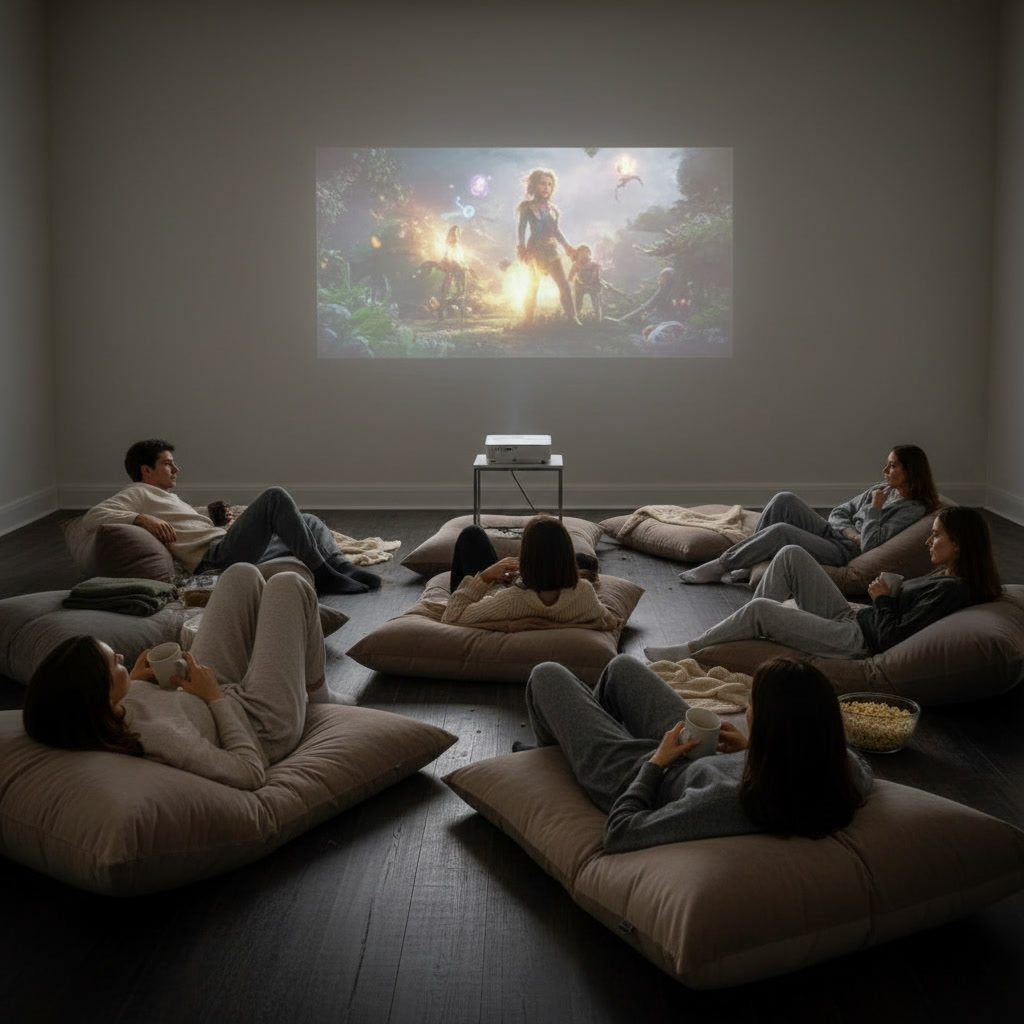
A sensory corner at home doesn't always need a dedicated room, a specialist supplier, or a clinical aesthetic. It just needs three things: the right seating, intentional texture, and enough stillness for your nervous system to exhale.
What Is a Sensory Corner?
A sensory corner is a designated area in your home designed to support nervous system regulation. It might be a full room or a single corner of your bedroom. The goal is the same: a space where your body can decompress, where sensory input is controlled rather than chaotic, and where you have everything you need to self-regulate without having to think about it.
Unlike the clinical feel some sensory rooms can give in schools and therapy centres, a home sensory corner should feel like an extension of your own variable aesthetic. It can belong in your home and even be a part of your everyday lifestyle. Our products are designed and created to always give the extra home-y feel in whichever setting it's placed.
The Three Zones to Consider
Zone 1: Grounding Seating
The anchor of any sensory corner is seating that provides consistent proprioceptive input. This means weight, depth, and coverage. A large bean bag chair filled with EPS beads offers body-moulding support that adjusts to your shape and provides the kind of deep pressure input that signals safety to the nervous system. A set of thick, padded seating pads gives firmer, more stable grounding for those who prefer less movement in their seating.
What to avoid: flat, thin cushions that offer no proprioceptive feedback. They might look minimal, but they don't do the regulatory work your body is looking for.

Zone 2: Tactile Comfort
Texture is a powerful regulatory tool. Smooth velvet calms; brushed canvas stimulates. For most sensory corners, you want tactile richness rather than sensory challenge; a velvet bean bag chair or a soft bolster cushion that invites touch & comfort rather than stiff tolerance.
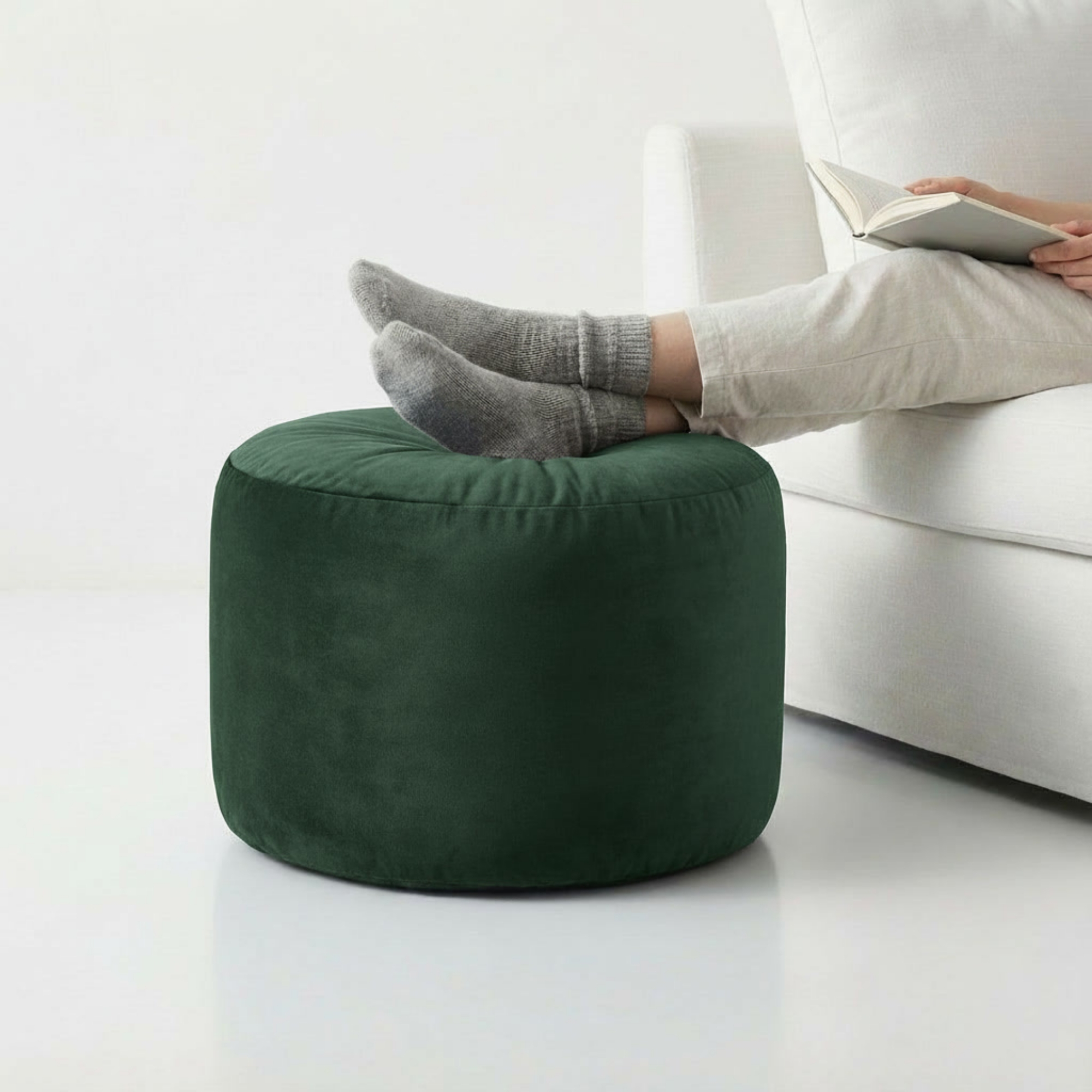
Layering textures intentionally is the difference between a sensory corner that works and a room that just happens to have cushions. A velvet pouffe underfoot, a canvas bolster behind you, a soft throw within reach; each layer adds to your personalised regulatory environment.
Zone 3: Visual Calm
Keep the colour and mindful designs palette consistent with your archetype. Dreamers and Scholars tend towards cool, muted tones. Muses and Creatives may want something richer but still considered. The goal is visual predictability; spaces and styles your eyes can rest comfortably in, not scan anxiously.
Your Archetype, Your Corner
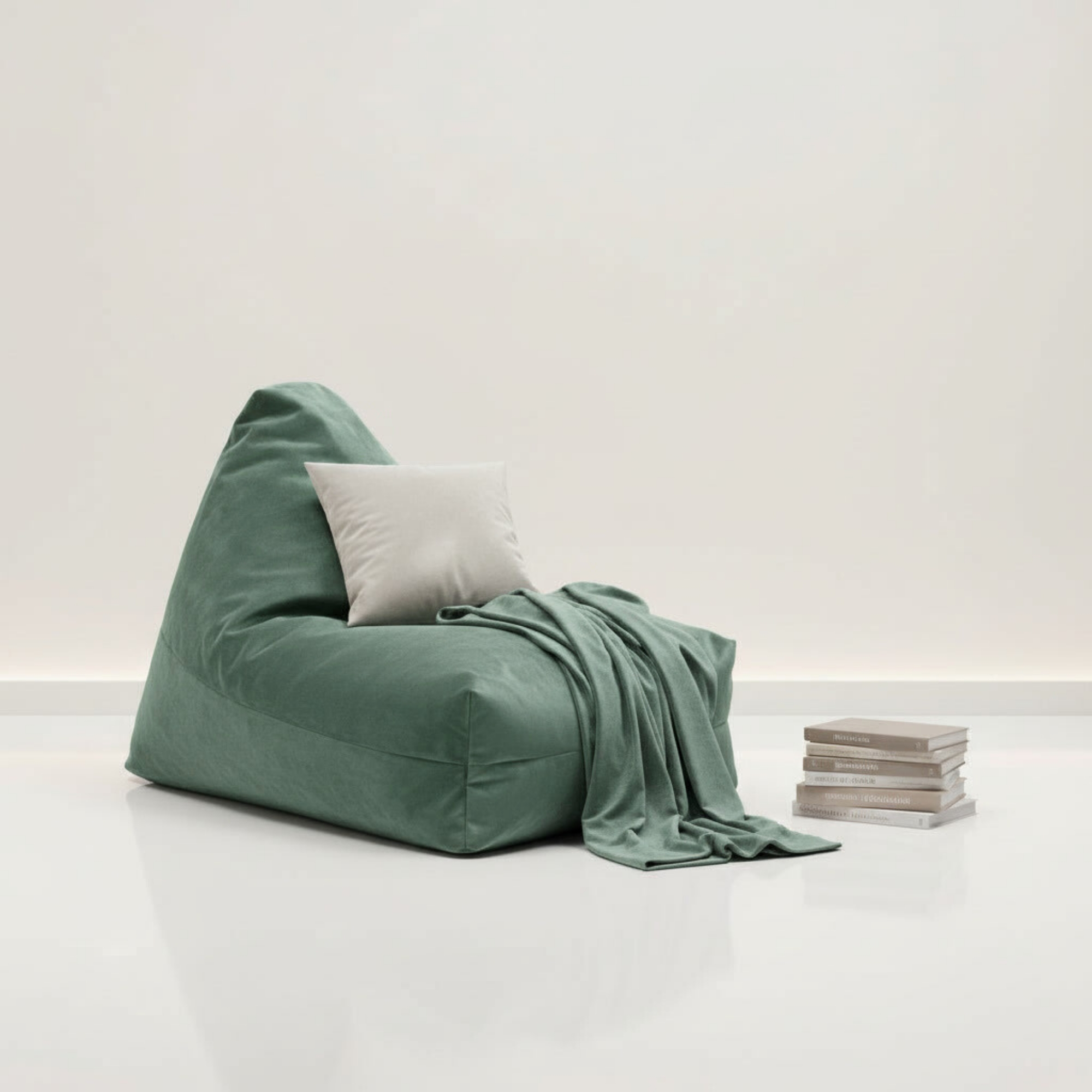
A Wanderer's sensory corner might be darker, layered with textures, a deep velvet bean bag chair in forest green, a weighted floor cushion, a low lamp. A Muse's corner might be warmer, more tactile, a soft round pouffe, a bolster cushion in pumpkin velvet, a sheepskin throw. The archetype framework exists precisely for this: to give your sensory choices a familiar identity that feels like you, and not spaces that try to signal there is something wrong with you.

Shop the Sensory Collections
Find your archetype at Kosi Atelier and shop the sensory corner bundle matched to your sensory personality: bean bag chair, floor cushion, pouffe, and bolster cushion. All designed with nervous system regulation at the core, and all beautiful enough to belong in your home.