







The 8 Senses Explained: How Understanding Your Sensory Profile Can Transform Your Home

Sight, hearing, taste, smell, and touch. We’re aware of the main 5 that help explain why loud environments can sometimes feel abrasive and the consensus of why the ‘big light’ is the worst thing on TikTok. These matter, but there are 3 more that help with the story.
The Three That Change Everything
1. Proprioception: Your Body's Position Sense
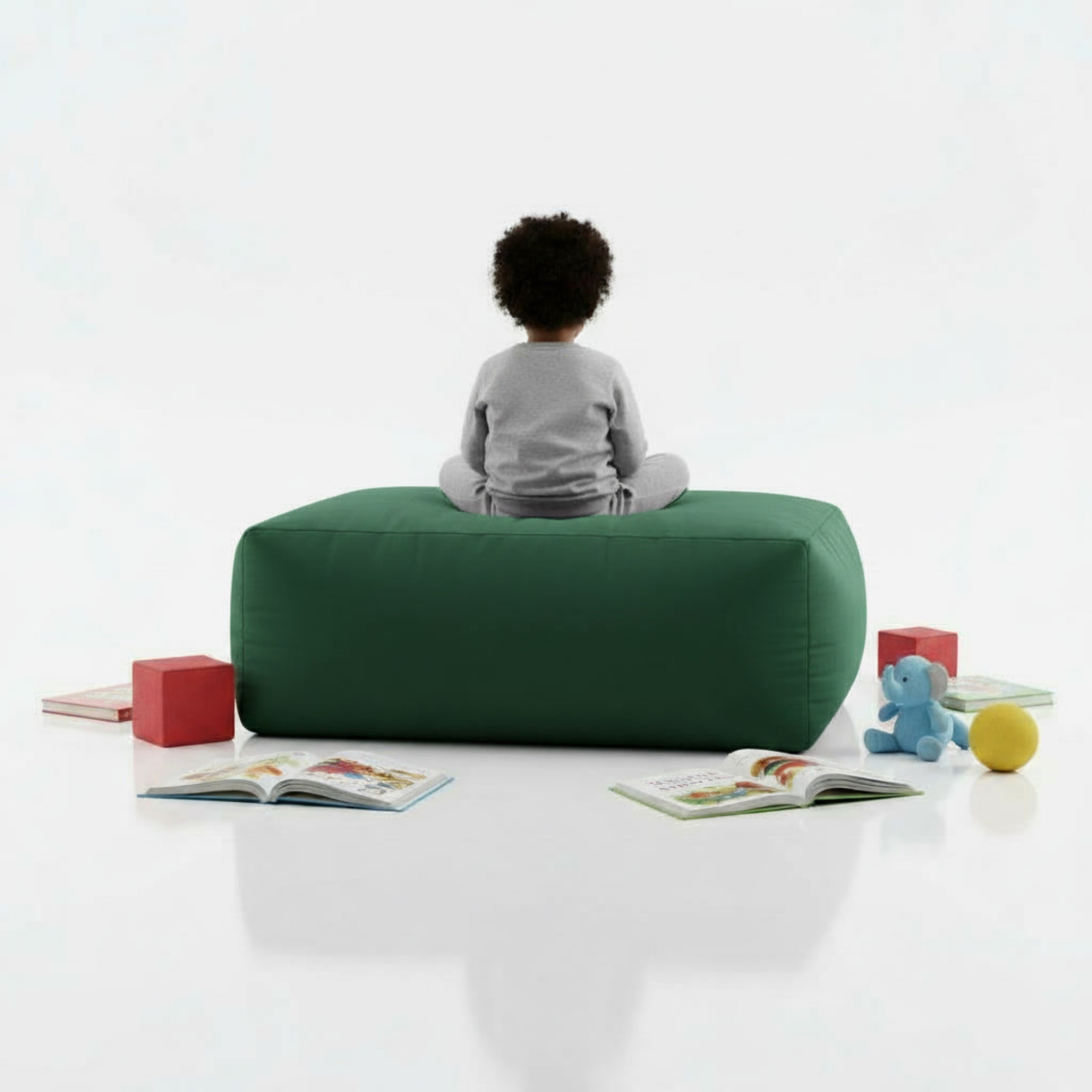
Proprioception tells your brain where your body is in space. It's the sense that lets you know where your limbs are without looking at them. For people who seek proprioceptive input (often described as 'heavy work') the feeling of deep, even pressure from a large floor cushion or a filled bean bag chair can aid with regulating. It tells the nervous system: you are here, you are grounded, you are safe.
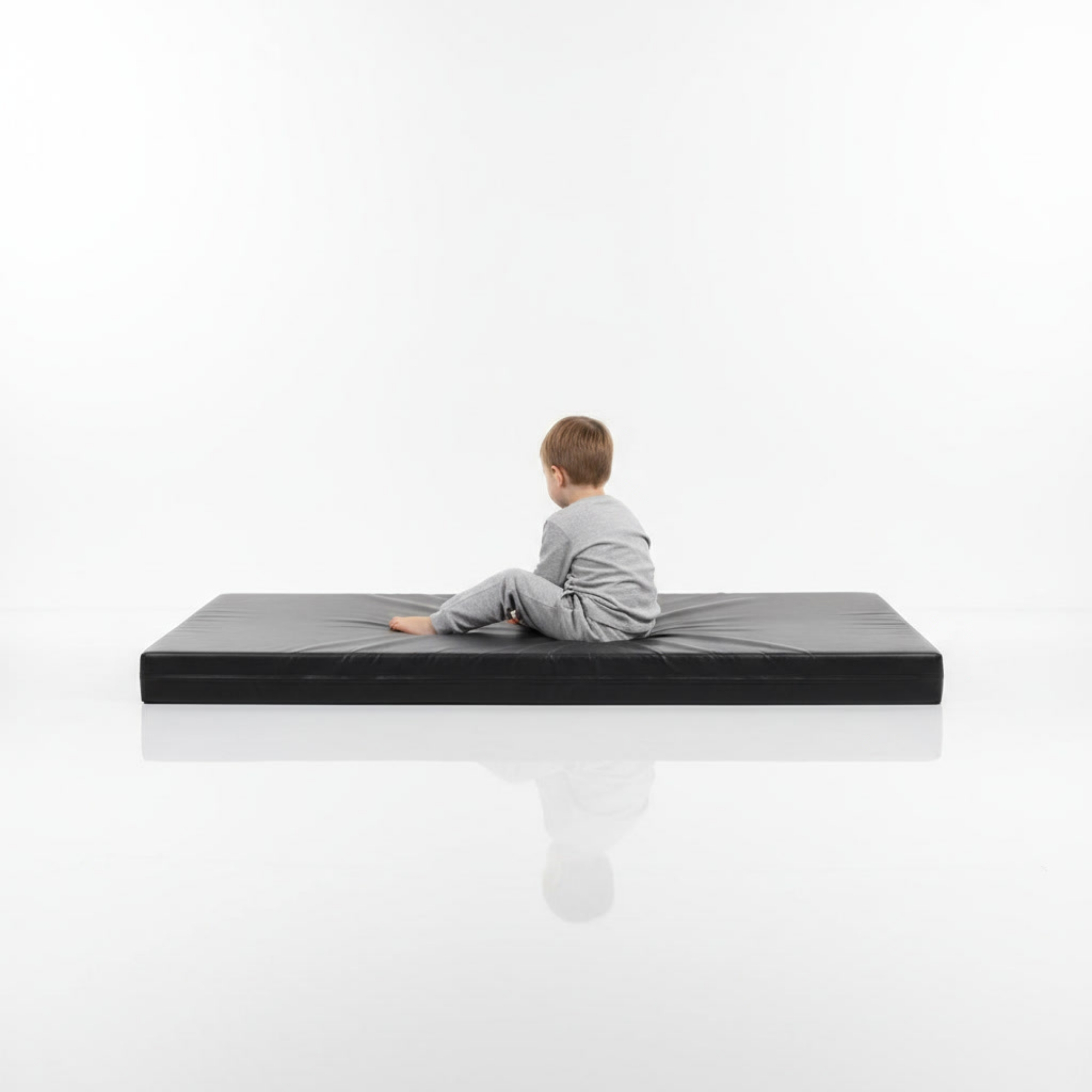
Crash mats, bolster cushions, and EPS-filled bean bags all provide proprioceptive input. This is why weighted and filled seating products aren't just comfortable, they're physiologically calming.
Our range of textured patterns are developed alongside 12 distinct personality collections, being able to feel these in real time as a part of your everyday lifestyles can remind you of the things that keep you happy and grounded amongst all the chaos of everyday living.

2. Vestibular: Your Sense of Balance and Movement
The vestibular system, located in the inner ear, governs balance, spatial orientation, and movement. Some people are vestibular-seeking; they crave rocking, swaying, or movement. Others are vestibular-avoiding and find motion destabilising. Understanding your vestibular profile can explain why some people feel instantly calmer when seated in a rounded bean bag chair that allows gentle movement, while others prefer the firm stability of padded crash mats within the safety of active soft play and everyday living.
3. Interoception: Your Internal Body Awareness
Interoception is the sense that tells you you're hungry, cold, anxious, or tired. In many neurodivergent people, and in those who have experienced chronic stress, interoception can be muted or dysregulated. Creating a home environment and self-regulation toolkit rich in tactile, proprioceptive, and vestibular input helps bring the body back into awareness. A soft velvet pouffe underfoot. A weighted floor cushion to work on. A self-resonating textured phone case in an overwhelming environment. Journaling in a comfortable space to help expand your mind. These aren't luxuries. They're regulatory tools to help us on the journey of achieving our sacred potential.
Why This Matters for Your Home
Once you understand your sensory profile, you can make suitable choices about your environment. A proprioceptive-seeker needs dense, filled seating options for indoor and outdoor uses; not a flat cushion. A vestibular-avoider benefits fromstable, grounded movement with safety pads. A tactile-sensitive person might need textured patterns that speak to them, not trending one-size-for-all quick fixes.
This is exactly why Kosi Atelier designs with multi-functionality in mind. Your sensory personality shapes which products will actually work for your nervous system, and which ones will sit unused after a week.
Products Matched to Your Sensory Profile
All Kosi Atelier products are designed with sensory intentionality: our large floor cushions and bean bag chairs for proprioceptive input, our bolster cushions for vestibular grounding, and our velvet and textured ranges for tactile regulation. Discover your archetype, and shop by sensory need.