








Sensory Crash Mats for Schools vs. Commercial Spaces: What You Need to Know Before You Buy
.jpg)
Buying a crash mat for a school sensory room is not the same decision as buying one for an activity centre or a wellness studio. Density, dimensions, fire compliance, and cover specification all change depending on who will use the space and how hard they will use it.
The Difference Between Consumer and Commercial Grade
Consumer-grade foam products, the kind sold on general homewares sites, are designed for light domestic use. They may look similar to commercial products but the foam density, cover durability, and safety certifications tell a different story.
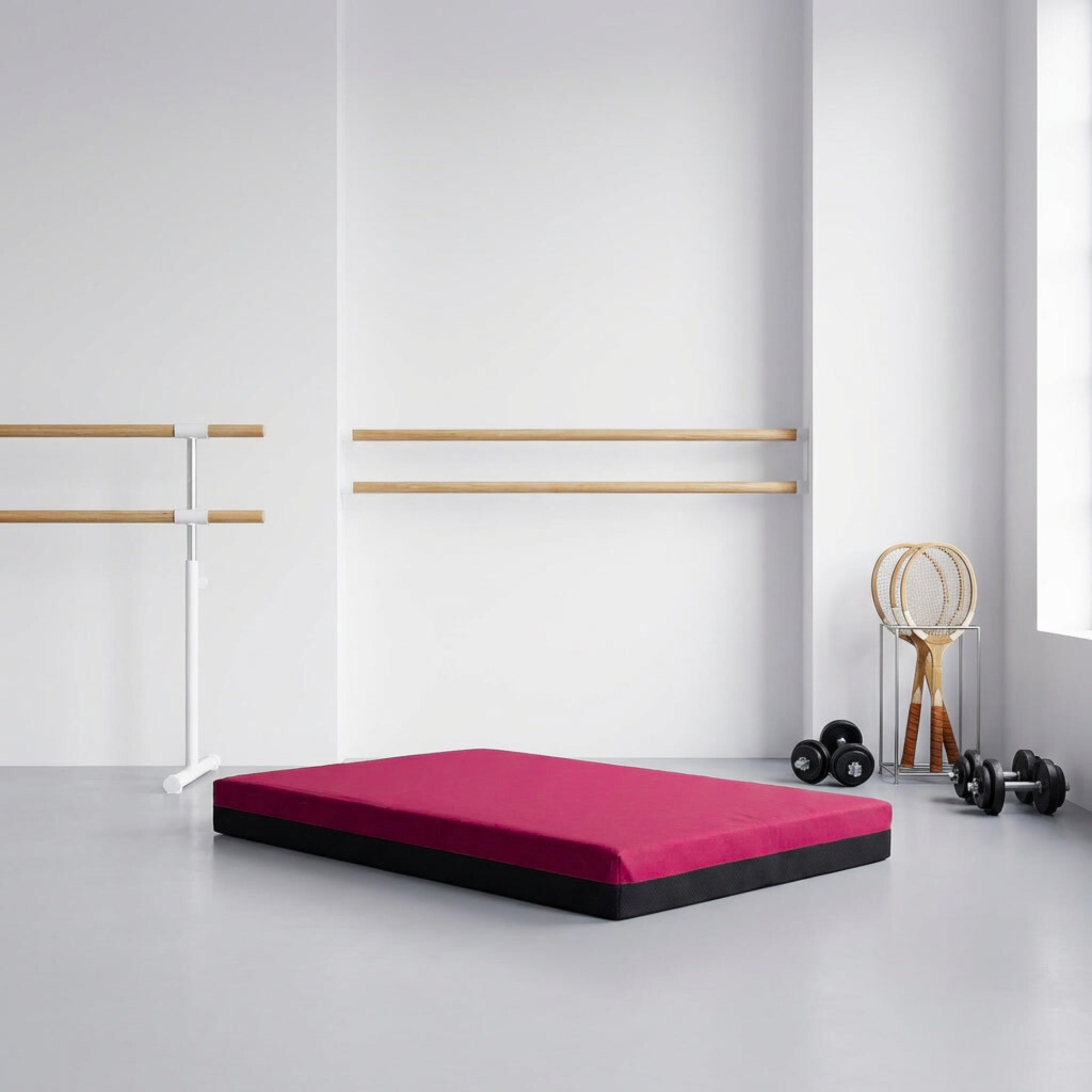
Commercial-grade sensory mats and crash mats are built for daily use, multiple users, and institutional environments. With our B2B Kosi Atelier Bespoke arm, every option is available for commercial products that need to be manufactured to regulatory specifications: foam densities selected for the intended use, OEKO-tex certified fabric ranges, functional & removable covers finished for wipe-clean hygiene and re-use, and fire retardancy options, health & safety standards certified to BS5852for compliance in schools, nurseries, and public venues for Head Injury Criterion (HIC) requirements and the appropriate Critical Fall Height (CFH).

Schools and SEN Settings: What to Prioritise
For school sensory rooms, the primary considerations are safety, hygiene, and regulatory compliance. Crash mats for SEN classrooms need to provide sufficient proprioceptive input (typically medium to high-density foam of 28–45kg/m³)while remaining safe for unsupervised use. Covers should be wipe-clean PVC or similar, with robust stitching and double-zip closures to prevent bead or foam escape.
Sensory bolster cushions and large floor cushions used in quiet areas orreading corners can use softer foam densities, but again, cover durability andhygiene are key. The same principles apply to sensory seating used in inclusionrooms, speech therapy spaces, and SEND hubs.
Kosi Atelier takes this combination a step further to offer a diverse range of design options to create more depth within these environments to paint a warmer sense of belonging for the diverse personalities amongst neurodivergent minds.
Activity Centres and Soft Play: Where Load Matters
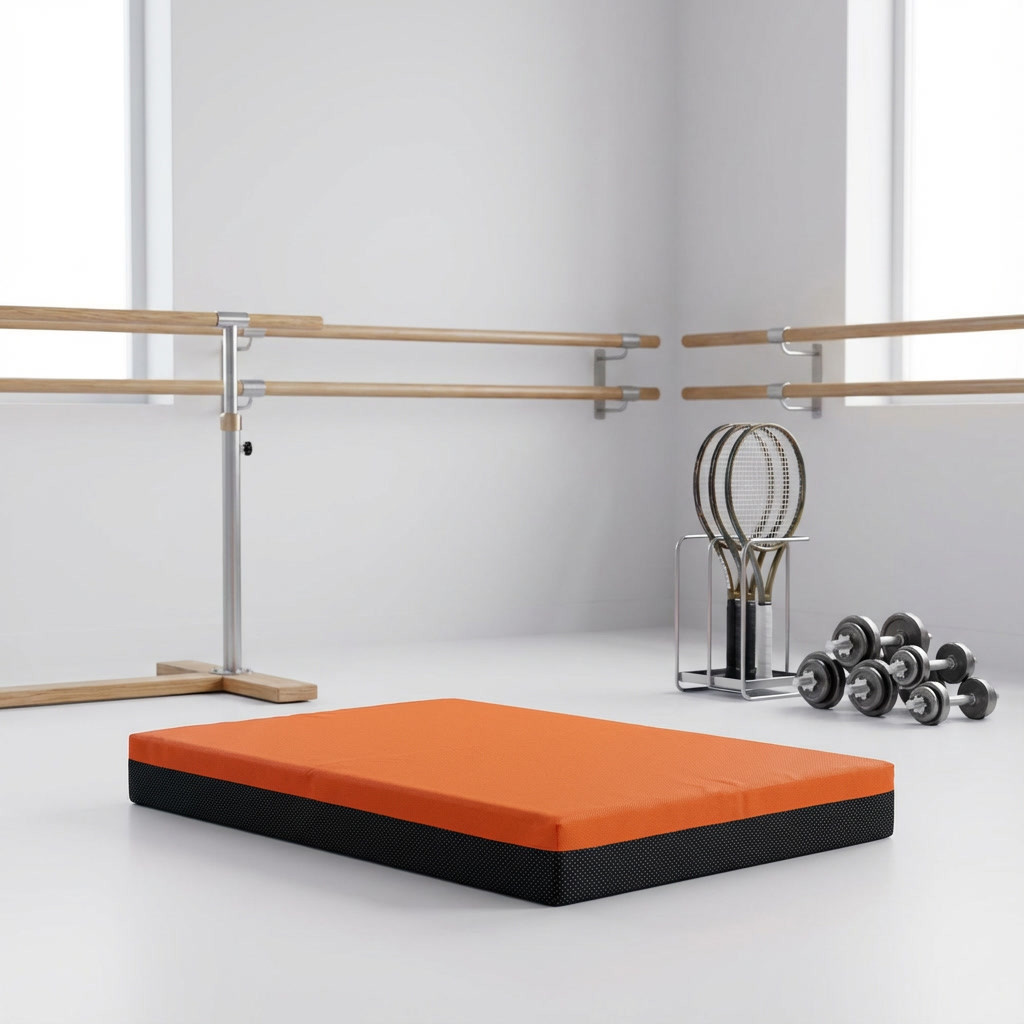
For activity centres, the calculus shifts toward impact absorption and longevity. Crash mats in activity centres take repeated heavy impact (jumping, falling, tumbling) and the foam must be dense enough to remain effective over months of use, not just the first few weeks. Your designs can extend from high-activity use to educational soft play elements in exhibitions.
At Kosi Atelier Bespoke, we work with activity centre procurement teams at venues including Robinwood, Mendip Activity Centre, and more to specify foam density, dimensions, and cover materials appropriate for their specific use cases. Every bespoke project begins with a consultation for their required needs and regulatory compliances, helping you meet your needs through the fine details.

Wellness Centres, Yoga Studios and Retreats
Sensory mats for wellness settings occupy a middle ground: they need commercial durability but they also need to bring beauty to the environment. A crash mat covered in wipe-clean water-resistant fabric is appropriate for a school; it is not appropriate for a luxury wellness retreat. Kosi Atelier Bespoke can specify soft furnishing fabrics, coordinating colour palettes, and custom sizing to make commercial-grade sensory products feel designed rather than institutional.
Bespoke Enquiries